
January 2026

Can You Watch Dance Performances at Maid Cafes in Akihabara?
Many visitors to Akihabara wonder the same question before visiting a maid cafe:Can you actually watch dance performances there? The short answer is yes—but not at every maid cafe, and not all the time.To understand what to expect, it helps to know how maid cafes work and what kind of entertainment they offer. The Short […]

Anime Pilgrimage Map – A Beginner-Friendly Route in Tokyo
Anime pilgrimage (seichi junrei) means visiting real-life locations that appear in anime.Tokyo is full of such places, but for beginners, it is best to start with well-known, easy-to-access locations connected to popular anime. This article introduces a clear anime pilgrimage route in Tokyo, listing specific anime titles and exact areas so first-time visitors can easily […]

Why Anime Fans Should Visit a Maid Cafe in Japan
For many anime fans, Japan is a dream destination filled with familiar scenes, characters, and subcultures. Among them, maid cafes—especially in areas like Akihabara—are often mentioned, but sometimes misunderstood. At first glance, some visitors may feel unsure or think maid cafes are only for hardcore fans. In reality, maid cafes offer a unique cultural experience […]
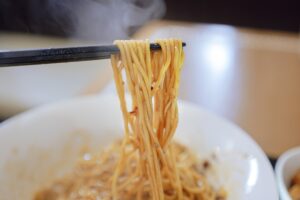
Exploring Japan’s Broth-Free Ramen Styles – Tsukemen, Mazesoba, and Aburasoba
When people think of ramen, they often imagine a steaming bowl of soup.However, Japan also has several popular broth-light or broth-free noodle styles that are especially loved in Tokyo: tsukemen, mazesoba, and aburasoba. These styles focus on noodles, texture, and concentrated flavors rather than large amounts of soup. They are filling, customizable, and perfect for […]

Sake vs Shochu – Understanding Japan’s Two Iconic Alcoholic Drinks
When people think of Japanese alcohol, sake often comes to mind first. However, shochu plays an equally important role in everyday Japanese life. While both are traditional drinks, they differ greatly in ingredients, production methods, storage, and drinking styles. Understanding these differences helps travelers enjoy Japanese food and nightlife more confidently. What Is Sake (Nihonshu)? […]

Ume (Plum Blossoms) – Japan’s Elegant Flowers Often Mistaken for Cherry Blossoms
When visiting Japan in late winter or early spring, many travelers are surprised to see pink or white blossoms blooming before cherry blossom season. These flowers are often mistaken for sakura, but they are actually ume (plum blossoms)—a flower with a much longer history and deeper cultural roots in Japan. Understanding ume offers a richer […]

5 Must-Visit Gaming Spots for Game Otaku in Tokyo
Tokyo is a dream destination for video game fans and gaming culture enthusiasts. The city blends retro nostalgia with cutting-edge franchises, offering everything from old arcade machines to flagship brand stores. Here are five essential spots every game otaku should visit when in Tokyo. 1. Super Potato (Akihabara) – Retro Game Treasure Trove Address: 3-5F […]

How Japanese People Keep Warm – From Hibachi to Heattech
Japan’s winters can be surprisingly cold, especially before the spread of modern insulation and central heating.Instead of heating entire buildings, Japanese people traditionally focused on warming the body and immediate living space—an approach shaped by climate, architecture, and lifestyle. From ancient hearths to modern high-tech clothing, Japan’s methods of staying warm reveal much about its […]
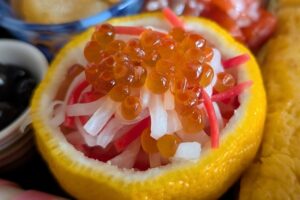
Japan’s Beloved Citrus Fruits Explained – Yuzu Mikan Sudachi and Kabosu
Japan is home to a rich variety of citrus fruits, many of which are used not just as fruit, but as essential seasonings in Japanese cuisine.Among them, yuzu, mikan, sudachi, and kabosu are especially iconic, each offering a distinct aroma, acidity, and cultural background. Understanding these citrus fruits adds a new layer of appreciation when […]
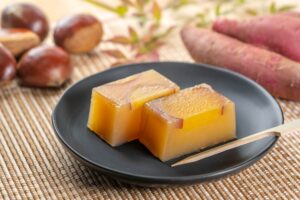
Imo, Kuri, Nankin – Why Sweet Potato, Chestnut, and Pumpkin Are Beloved in Japan
In Japan, the phrase “Imo, Kuri, Nankin” (芋・栗・南京) refers to three ingredients that are especially loved, particularly in sweets and seasonal dishes.Sweet potato, chestnut, and pumpkin may seem simple, but in Japanese food culture they carry deep historical meaning and pair beautifully with both traditional and modern cuisine. What Does “Imo, Kuri, Nankin” Mean? The […]